
This is part of the class "Wealth and Culture."
Abstract
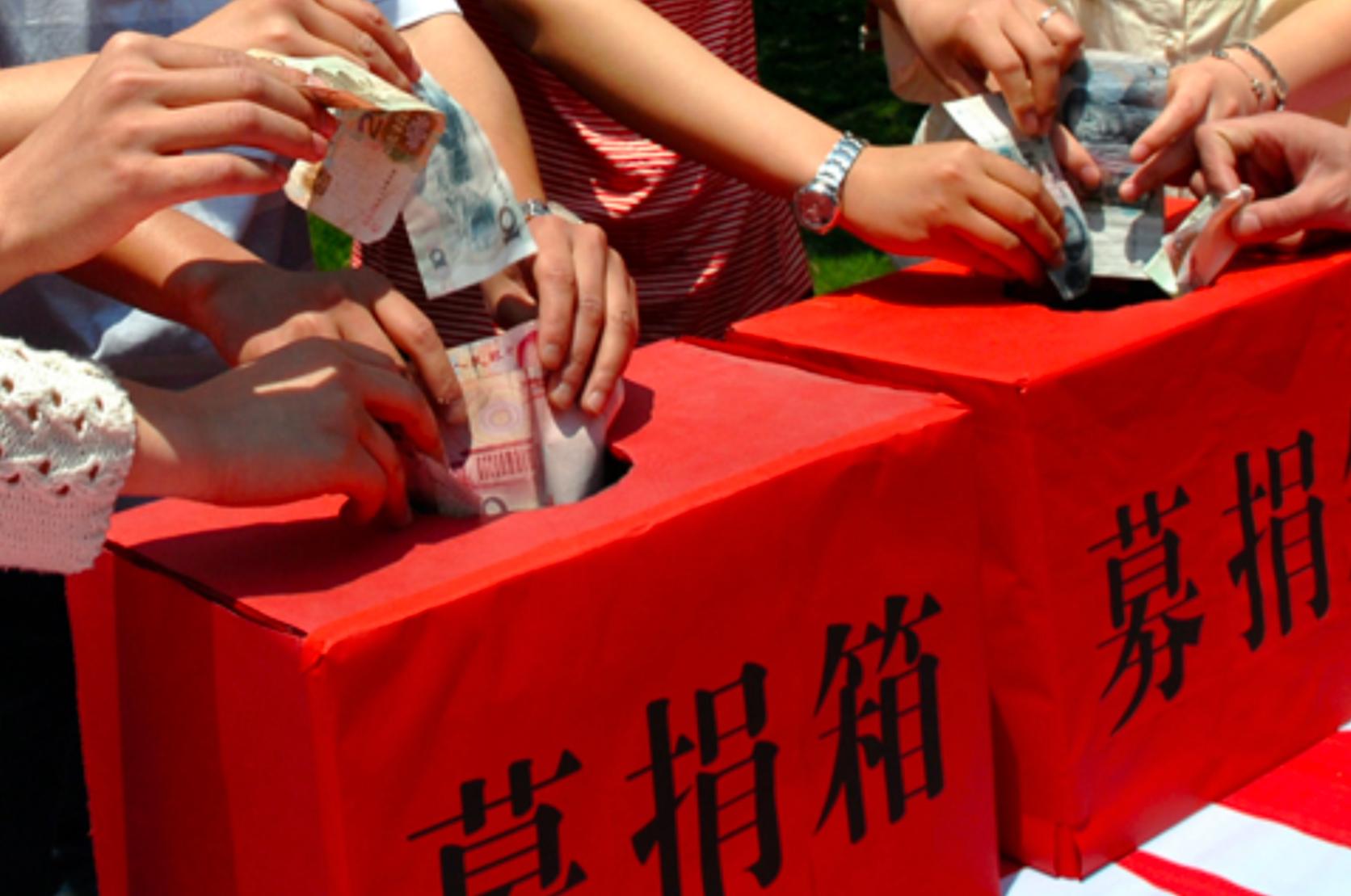
Even though the People’s Republic of China has risen to a position of economic might, the nation struggles with drastically diminished socioeconomic equality at home, and a persistent lack of esteem on the global stage. Against a backdrop of trenchant tensions between market economics and socialist ethics, and between aspirations of global leadership versus tenacious Western cultural imperialism, a phenomenon of “new philanthropy” (xin cishan) has emerged. Taking place inside an exclusive Beijing-based philanthropy training program for China’s nouveaux riches, this research provides a window into the social production of elite philanthropists, and investigates an array of new meanings attributed to this subject position, and to the practice of giving. Examining the practices of China’s “new philanthropy” within a framework of economic exchanges and conversions (both successful and failed) across different “forms of capital,” this work theorizes the set of practices through two contradictory paradigms, both encountered at the pseudonymized World-Class Philanthropy Institute. These are: philanthropic giving as means for dismantling class inequality through the redistribution of wealth (“collective-sharing,” or “gongxiang”), and philanthropy as means for establishing a strong "family legacy" ("jiazu chuancheng"), thus reproducing class hierarchy in generations to come. These economic conversions take place alongside a moral or spiritual conversion from wealthy entrepreneur to philanthropist through a process theorized here as “philanthropic subjectification.” Finally, at a national level, China’s mission to transform its image on the global stage from a “nouveau riche nation” to a respected, beneficent moral leader is at stake, as well. The cultivation of “new philanthropy” also stands to facilitate the conversion of the PRC’s economic and political might into “soft power.”
Bio
Elizabeth (Lissa) Crane holds a Ph.D. in Cultural Anthropology from Rutgers University, an M.A. in Sociocultural Anthropology from Columbia University, and a B.A. from Middlebury College, where she also attended the C.V. Starr-Middlebury School Abroad in Hangzhou China. Her work is focused on the growing number of philanthropists in China, and on shifting definitions of Chinese philanthropic practices, both nationally and globally.