

This talk is co-sponsored by Rutgers Global. It is a hybrid event with live streaming through Zoom. Here's the link to register for the Zoom streaming.
Abstract
Rural China has recently witnessed a disproportionate increase in its aging population. This is particularly concerning given that older adults in rural China already face greater socioeconomic disadvantages and much more limited access to social support, such as welfare benefits and health care, than their urban counterparts. China’s one-child policy and urbanization have further exacerbated caregiving shortfalls for this group as their children move to urban areas to seek better livelihoods. This intersection of sociocultural transformation and population aging in rural China calls for exploring how rural China as a dynamic context creates, constructs, and contests older adults’ aging experiences.
This presentation harnesses a critical and contextually sensitive perspective to explore how China’s rural context shapes and is shaped by rural older adults’ aging process. Drawing on a phenomenological approach, two studies took place in rural Shandong and Zhejiang Provinces. Rural older adults possessed sufficient autonomy and agency to decide where and how they wanted to age. Aging-in-place became a dynamic process that evolved as older adults aged and experienced changes in their needs and capabilities. As community-based eldercare emerged in rural Zhejiang, we further identified multidimensional, contextualized interplays among older adults’ autonomy, filial piety, and emerging social support, suggesting that older adults actively interacted with their rural context to co-construct the evolving meanings of aging in rural China. Both studies illuminate and expand critical notions of meanings of rural aging in today’s China.
Bio
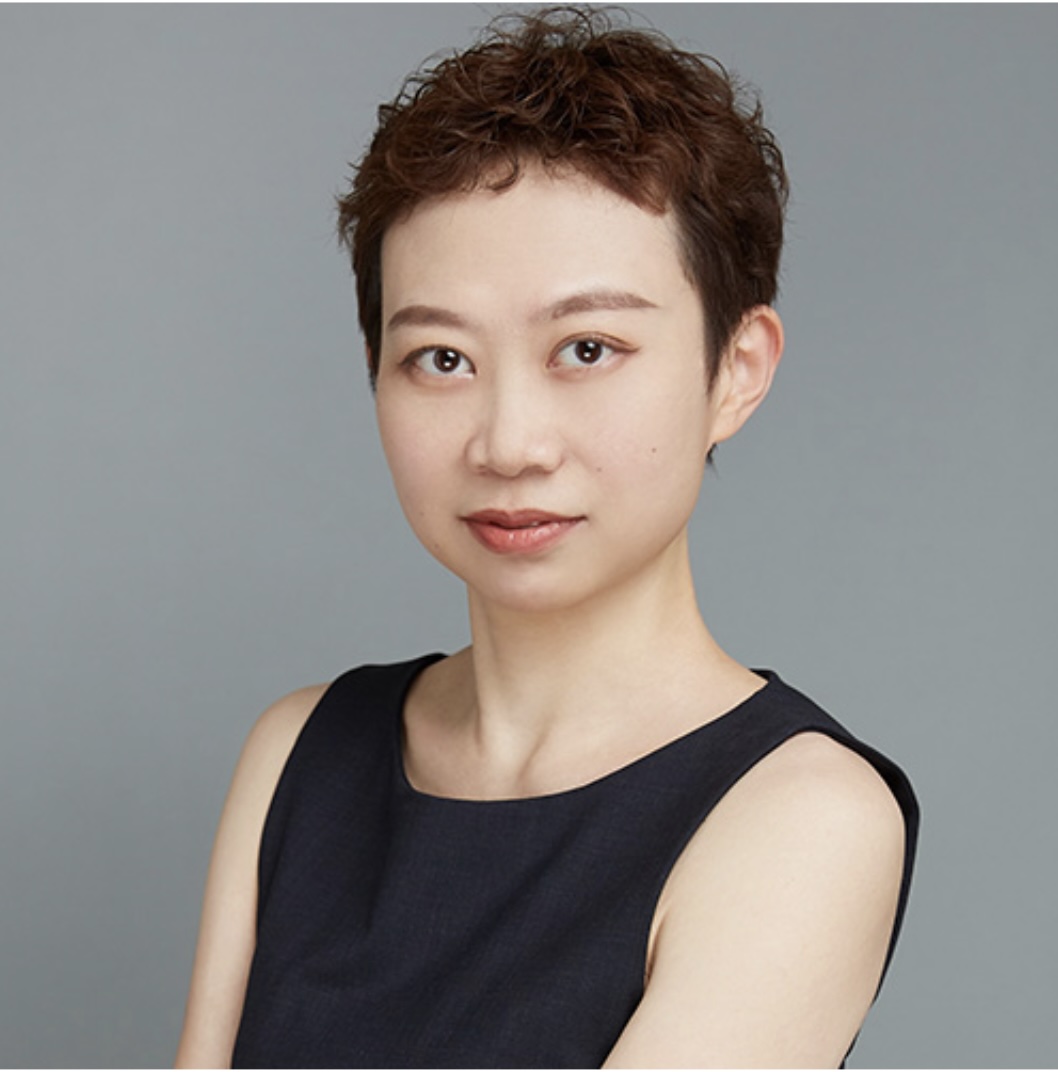
Lin Chen is an Associate Professor in the Department of Social Work at Fudan University. She is a visiting scholar at Harvard-Yenching Institute for the 2024-25 academic year. Lin received her Ph.D. in Social Welfare from UCLA, M.Phil. from the University of Oxford, and bachelor from Fudan University. Lin’s research focuses on aging, long-term care, community gerontology, and social policy for older adults. Her work pays special attention to older adults’ lived experiences of aging and sociocultural influences on caregiving cultures in the Chinese context.
Lin’s monograph Evolving Eldercare in Contemporary China: Two Generations, One Decision was published by Palgrave Macmillan in 2016. This book casts new light on how families confront various new challenges in supporting older parents in urban China and how successive generations reconcile conflicting values about caregiving responsibilities. Lin co-authored and published Community Eldercare Ecology in China and Higher Education and Career Prospects in China by Palgrave Macmillan in 2020. Despite the age differences targeted by these two books, Lin highlights the ever-evolving temporal aspects in community support for older adults and higher education for emerging adults in China.
Currently, Lin focuses on exploring the renewed meanings of aging in China and caregiving culture, in particular, the evolving norms and practices of filial piety that contemporary trends reflect. She is working on an ethnographic study that intends to have a critical inquiry on how rural China as a dynamic context creates, constructs, and contests older adults’ aging experiences. At the Harvard-Yenching Institute, she is also keen on advancing her pedagogical knowledge and skills to provide students with a holistic cultural lens to understand the dynamic interplay between aging and society.