
RCCS is co-sponsoring the following event hosted by the Department of Asian Languages and Cultures.
Abstracts
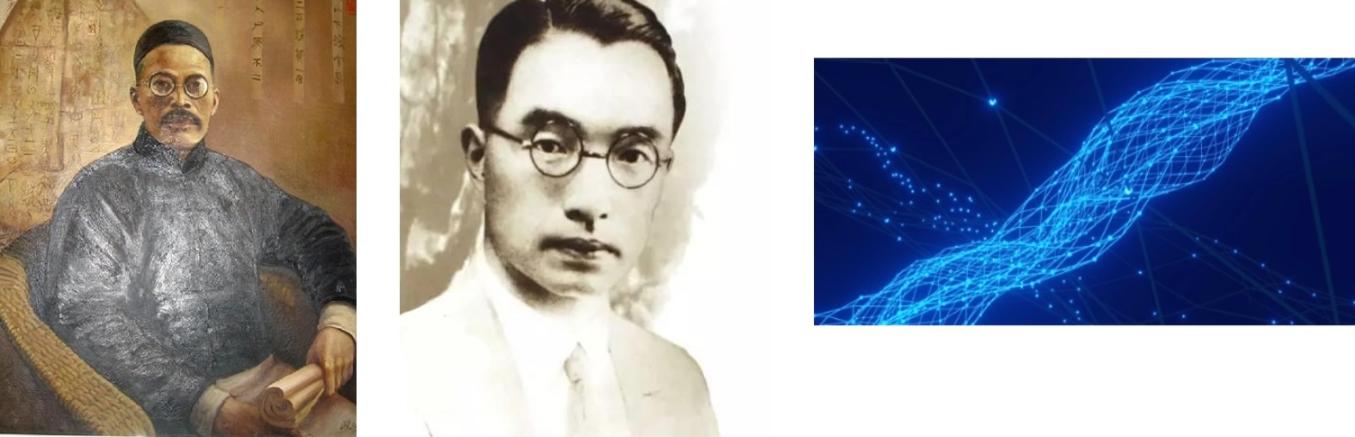
Talk One: The Interactive Relationship Between Modern Chinese Scholarship and Modern Literature —— Wang Guowei and Zhu Ziqing from the Perspective of “Sorting Out National Heritage” 中国现代学术与现代文学的互动关系——“整理国故”视野中的王国维与朱自清, by Professor Yuyang Li (Beijing Normal University)
"The Introduction of Western Learning to the East" and "New Interpretations of Classical Texts" formed the dual background and driving forces behind the emergence and development of modern Chinese literature. The support of "new scholarship" was a defining feature of "new literature." Examining modern Chinese literature through the lens of the interactive relationship between scholarship and literature, this "interaction" is not limited to their "intersection" (such as literary disciplines or literary studies) but aims to understand and interpret the hows and whys of modern Chinese literature within a broader context. The "Reorganizing National Heritage" movement, which rose in the 1920s, played a significant role in the academic and disciplinary formalization of classical Chinese literary studies. However, what might be less immediately apparent is its dialogue and synergy with the emerging and evolving ideology of "new literature," even to the point of mutual internalization. In this process, whether it was the historiographical construction of Wang Guowei as a "pioneer of the literary revolution" or Zhu Ziqing's efforts to establish the discipline of "new literature" within the framework of "New National Learning," both bear witness to the dynamic interplay between modern Chinese scholarship and modern literature.
“西学东渐”与“古典新义”构成了中国现代文学发生与发展的两大背景与动力,以“新学术”为支撑正是“新文学”的重要特征。从学术与文学的互动关系的角度考察中国现代文学,这里的“互动”并不局限于两者的“交集”(比如文学学科、文学研究),而是希望在更为开阔的范围中认识与理解中国现代文学其然与所以然。1920年代兴起的“整理国故”运动对于中国古典文学研究的学术化与学科化起到了重要作用。但或许不易察觉的是,它与正在生成和展开的“新文学”思想也多有对话与合力,甚至两者还彼此内化。在这一过程中,无论是王国维作为“文学革命的先驱者”的文学史的形象建构,还是朱自清在“新国学”的视野下开始“新文学”学科建设,都见证了中国现代学术与现代文学的互动。
Talk Two: Academic Institutions and the Transformation of Knowledge in the Digital Age —— A Repositioning of Contemporary Chinese Literary Criticism 学院体制与数字时代知识转型:中国当代文学批评再定位(2014—2024), by Professor Jing Li (Chinese National Academy of Arts)
The academic institutional framework and the epistemological transformations of the digital age have profoundly shaped the practice of contemporary Chinese literary criticism from 2014 to 2024. To properly examine the critical landscape of this decade, we must first interrogate the very nature of "criticism" as intellectual labor. As a distinctive mode within literary education and academic knowledge production, criticism has always negotiated the fundamental tension between "historicization" and "contemporaneity" - a dialectic that became particularly pronounced during this period amid the accelerated institutionalization of contemporary literary studies. Concurrently, the digital era has engendered new paradigms of knowledge production characterized by decentralization, collective collaboration, subjective experiential emphasis, and a focus on consumption-oriented engagement. These emerging models have significantly impacted literary criticism, which by its nature must speak directly to the present moment. Under the combined pressures of intra-academic and extra-institutional forces, contemporary literary criticism has sought to transcend traditional boundaries through strategic alliances with media and cross-disciplinary approaches. This evolving context necessitates continuous critical reflection on and repositioning of academic criticism's institutional position, social function, and methodological approaches in light of changing practical realities.
学院体制与数字时代知识转型深刻影响了2014—2024年间的中国当代文学批评实践。梳理这十年间的批评状况,需要首先对“批评”这一知识工作本身进行思考。“批评”作为文学教育与学院知识生产中的一种特殊类型,始终面对着“历史化”与“当代性”之间的张力。这一张力关系在这十年间伴随着当代文学学科化建设加速而被极大凸显。与此同时,置身数字时代,去中心化、集体合作、偏向主观经验、注重体验与消费的互联网知识生产模式业已生成,直接面向当下发言的“文学批评”深受这一转型趋势的影响。在学院内外多重因素的影响下,当代文学批评界试图联合媒体与跨学科的力量,寻求破圈的可能性。在这一过程中,学院批评的位置、功能与工作方式必须不断结合实践状况来重新反思与再定位。
Bios
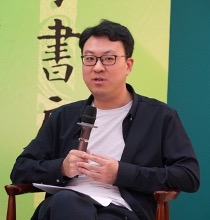
LI Yuyang is assistant professor in the School of Chinese Language and Literature at Beijing Normal University and Executive Director of the Lu Xun Research Center. He also serves as Deputy Secretary-General of the Chinese Modern Literature Research Association, a Special Research Fellow at the Chinese Modern Literature Museum, and a council member of the Modern and Contemporary Division of the Chinese Literary Historical Materials Society. He has received the Shi Heng Young Scholar Award, the Zhongying Young Scholar Award at Beijing Normal University, and the Tang Tao Award for Young Scholars in Literary Studies.
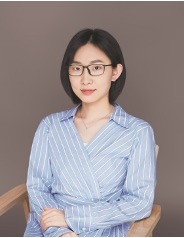
LI Jing is Associate Research Fellow at the Chinese National Academy of Arts and Deputy Editor-in-Chief of Literary Theory and Criticism. She is also a Special Research Fellow at the Chinese Modern Literature Museum. Her major works include Renewing the Self: Individual Discourse in Contemporary Cultural Phenomena, Mr. Science in the Present: Technological Transcendence and Literary Transformation, and Aesthetic Cartography: Studies in New Era Literary Criticism (2014–2024).